


Platform
Services
Solutions
Resources
Company

Companies deal daily with hundreds of vulnerabilities coming from scanners, tests, and dependencies. We help turn volume into priority by creating control, predictability, and traceability throughout the remediation lifecycle.
As AppSec matures, organizations adopt more tools, more automated testing, and generate more data. SAST, DAST, SCA, penetration testing, and infrastructure scanners now run continuously. The problem is that vulnerability volume has grown faster than management capacity.
Today, companies commonly face:
Large, outdated backlogs
Difficulty working with development teams on remediation
Generic severity ratings without environmental context
Inconsistent remediation approaches across squads and projects
Duplicate vulnerabilities from different sources
No clear ownership per application or vulnerability
Slow fixes with no traceability
Audits based on spreadsheets and manual evidence collection
Unimos tecnologia, inteligência e consultoria Combinamos tecnologia, inteligência e consultoria para transformar vulnerabilidades em eficiência e conformidade contínua.para transformar vulnerabilidades em confiança e compliance contínuo.

Modern environments receive findings from multiple sources: code scanners, dynamic testing, dependency analysis, and manual testing. Without a central point of control, this information becomes fragmented.
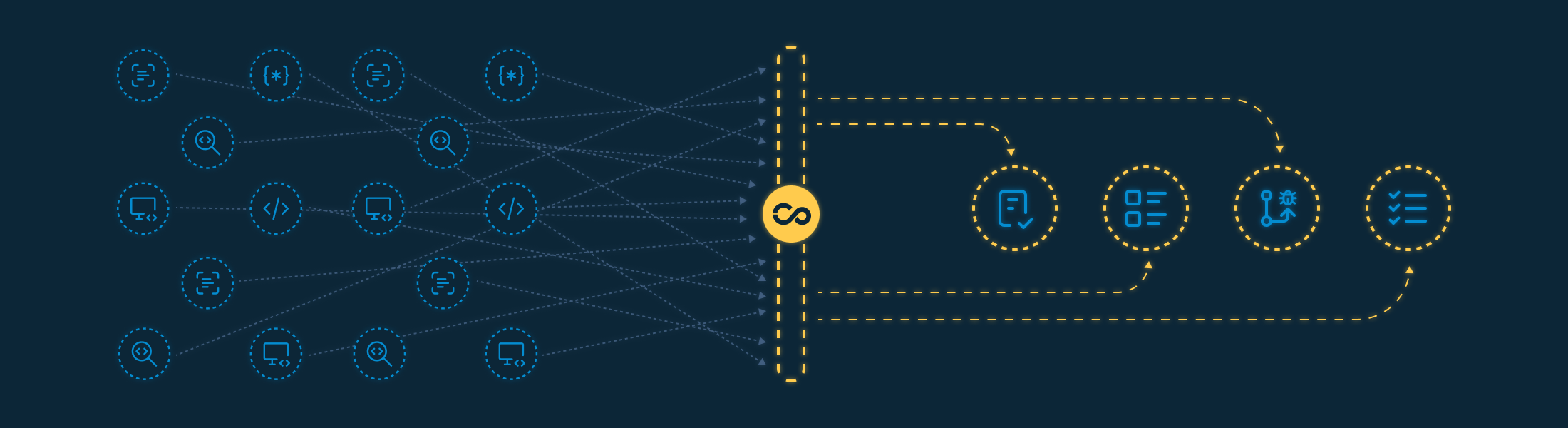

Consolidation of technical findings into a single backlog
Correlation and deduplication across different sources
Complete history per application, vulnerability, and remediation cycle

Reliable prioritization based on real risk volume
.svg)
Significant reduction in operational noise and rework

An actionable backlog focused on vulnerabilities that truly matter
.svg)
Severity alone does not define priority. A critical flaw in an isolated system has a different impact than a medium vulnerability in an exposed API.
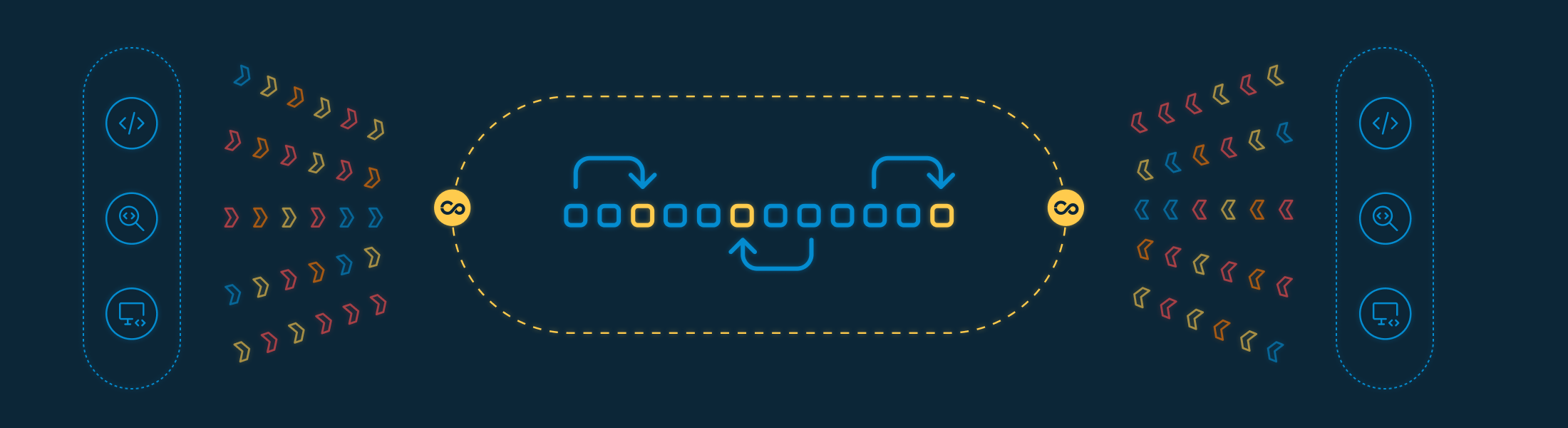
Classification based on application criticality
Exposure analysis (internet-facing, APIs, integrations)
Technical and environmental context
Alignment with regulatory requirements

Focus on what truly represents risk

Reduction of unnecessary remediation efforts

Better use of engineering time

Vulnerabilities without owners do not get fixed. Effective management requires clear accountability and tracking.
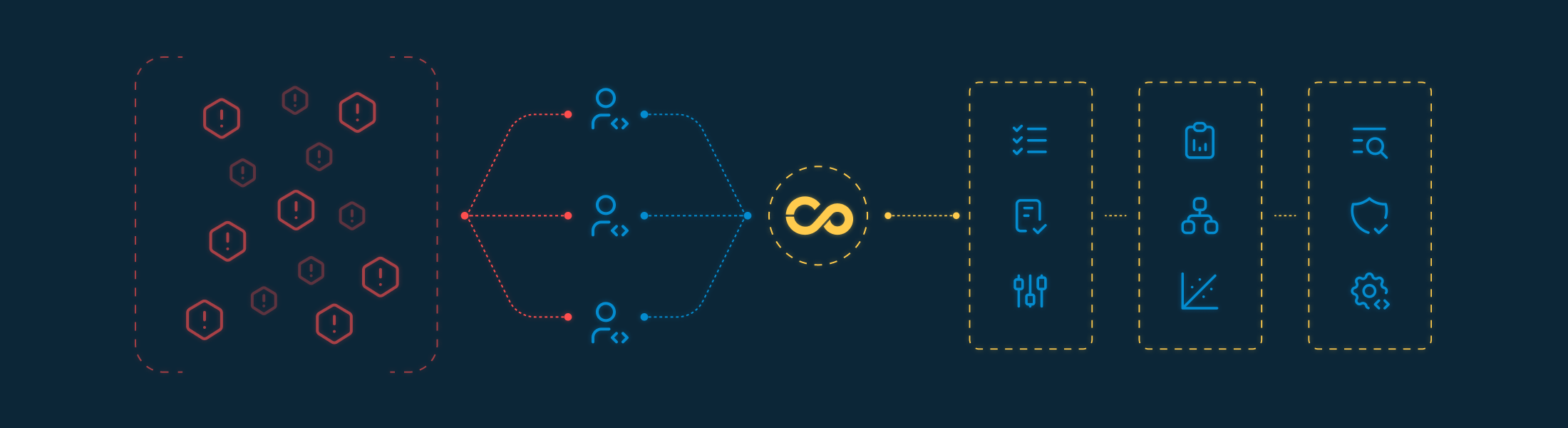
Defined owners per application and per vulnerability
Integration with development tools
SLA tracking and remediation time monitoring
Status visibility: open, in progress, resolved, accepted

Fewer forgotten vulnerabilities

More predictable remediation cycles

Stronger alignment between security and engineering

A significant portion of vulnerabilities today originate not in proprietary code, but in third-party libraries and components.
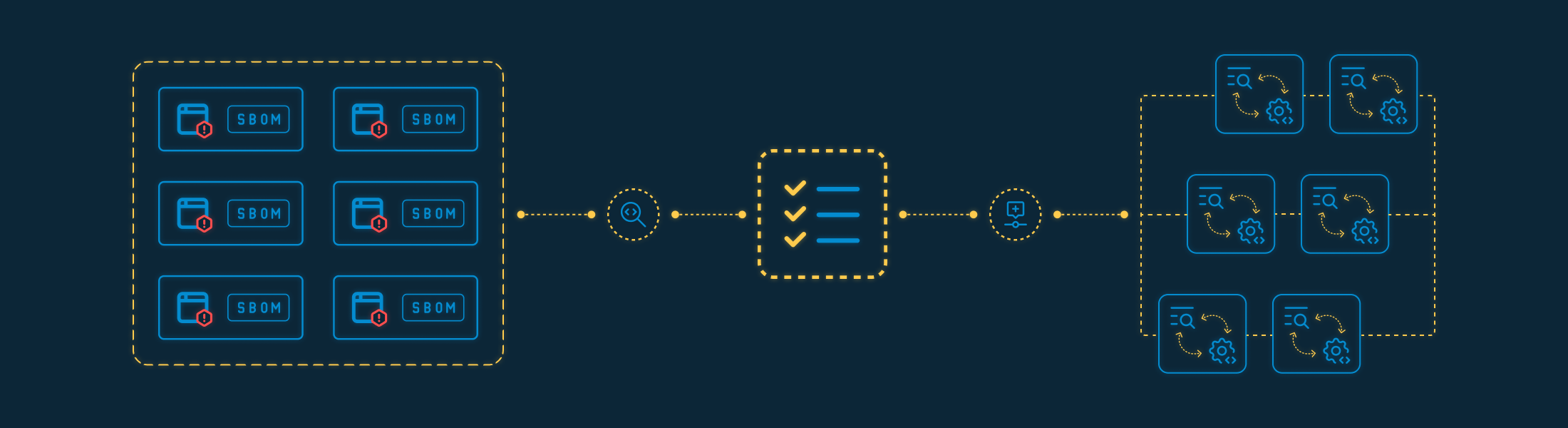
SBOM generation per application
Identification of CVEs in open-source dependencies
Traceability of where each vulnerable component is used
Continuous remediation tracking

Real visibility into the attack surface

Reduced inherited exposure from third parties

Ongoing control of the software supply chain

Vulnerability management must also support audits, internal requirements, and regulatory standards.
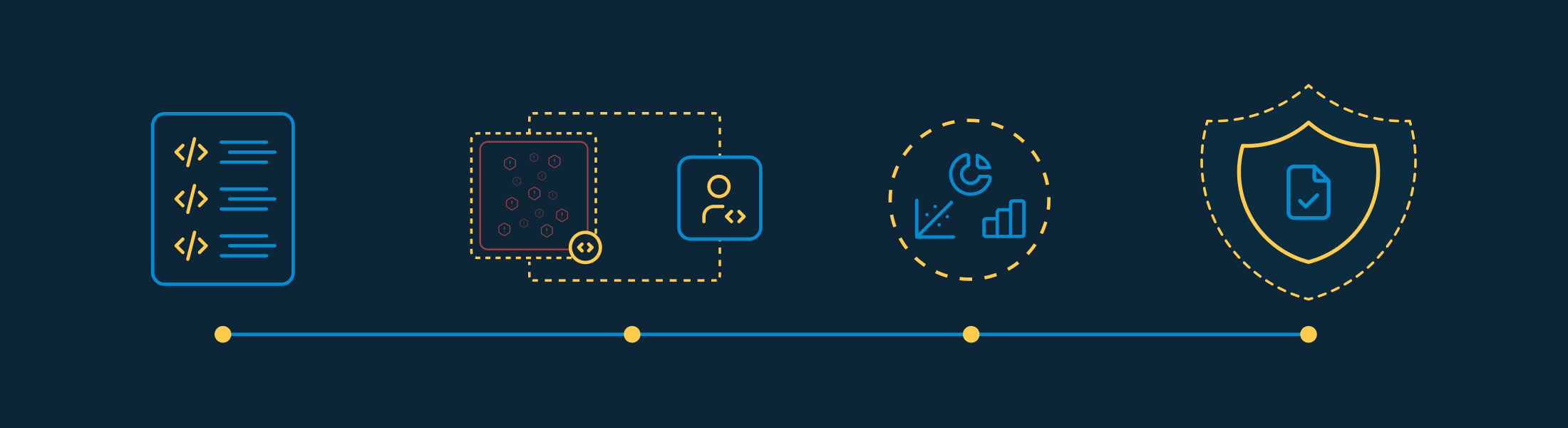
Historical records of findings and remediation
Evidence organized by application and time period
Trend and evolution metrics
Traceability between vulnerability, action, and responsible party

More predictable audits
Reduced effort in evidence collection
Security operating as a continuous process
Since 2008, we have supported companies in building application security programs that work in real-world operations. Our approach connects technology, process, and people to manage vulnerabilities with context and predictability.

Operational risk-driven prioritization considering application criticality, exposure, and usage context
.svg)
Management model applied in regulated and critical environments, focused on predictability, traceability, and governance

Continuous vulnerability lifecycle management, from identification to closure, with long-term tracking

Integration into the development workflow, connecting vulnerabilities, remediation, and risk SLAs
Talk to our specialists and see how to structure a continuous process with less noise and more control.

