
Platform
Services
Resources
Developers
Company

Fast-scaling fintechs face the challenge of balancing innovation with compliance. We help your company evolve its security program with visibility, compliance, and control at every stage of development.
Brazil leads the fintech ecosystem in Latin America with more than 2,000 active companies. But rapid growth comes with rising risks: increasingly complex integrations, sensitive data in transit, and new requirements from the Central Bank.
+2.048 fintechs in Brazil (A&S Partners, 2025)
Exponential growth of open banking and instant payments
Regulators increasing audits and security requirements
Growth in targeted attacks against APIs and data flows
We combine technology, intelligence, and consulting to turn vulnerabilities into efficiency and continuous compliance

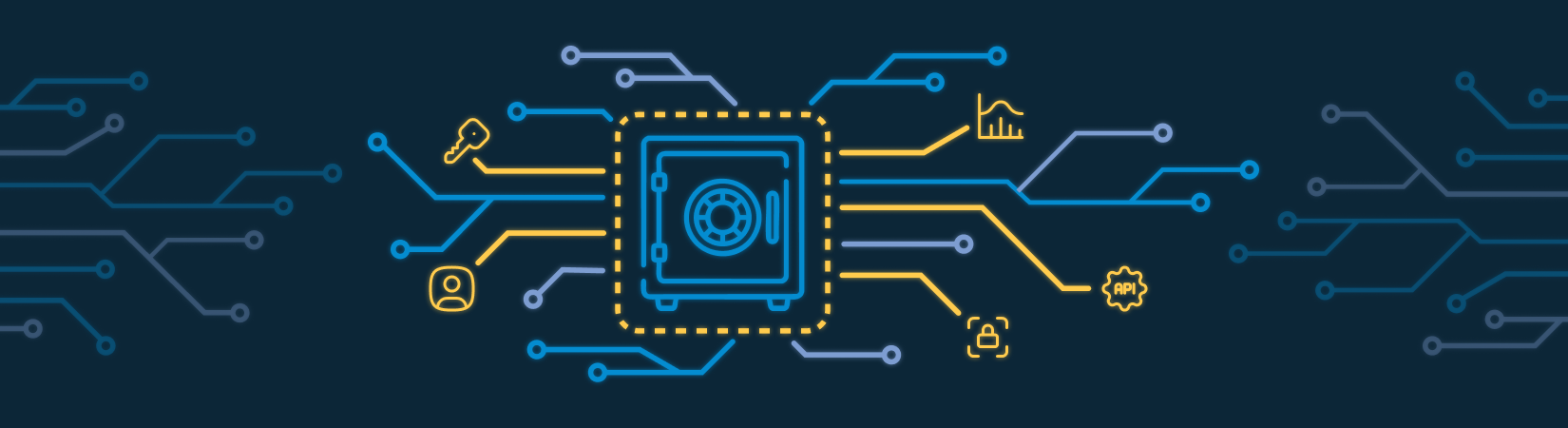
Fintechs handle extremely sensitive data: account information, Pix keys, financial history, and onboarding information. These flows run through critical APIs, authentication services, transaction engines, and Open Finance integrations. Any failure can lead to unauthorized access, transactional fraud, or exposure of regulated data.
AppSec Manager

Centralizes findings from financial APIs, onboarding modules, authentication services, and Pix flows
Prioritizes risks based on business impact and criticality
Maintains history, evidence, and timelines for BACEN and PCI audits
Vuln Intelligence
Enriches findings with global vulnerability data (CVE, CWE)
Highlights what truly affects fraud, authorization, and financial privacy
Reduces noise and eliminates false positives that create rework
Pentest
Assesses critical APIs and systems like Pix, transfers, statements, and onboarding
Identifies technical and logical flaws that enable fraud or flow manipulation
Offers retesting and integration with development pipelines

Reduced vulnerabilities exposing banking data and sensitive credentials
.svg)
Prioritization of issues that affect financial risk, fraud, and regulatory compliance

Fewer recurring failures in transactional endpoints (Pix, transfers, statements)

Continuous evidence for BACEN, PCI DSS, and internal audits

Higher confidence in critical flows that move money and sustain operations
.svg)
Fintechs operate in a fully interconnected ecosystem. APIs from banks, PSPs, credit bureaus, antifraud systems, biometrics, Open Finance, and identity providers power transactions, validate users, and support credit decisions.A single flaw in an SDK, permission, callback, or third-party library can cause transactional inconsistencies, fraud, or exposure of sensitive data.

Threat Modeling
Identifies risks in financial flows before implementation
Analyzes permissions, tokens, scopes, callbacks, and business rules
Evaluates critical integrations like Open Finance, PSPs, acquirers, and financial microservices
Supply Chain Security
Assesses dependencies, containers, and SBOMs supporting financial integrations
Analyzes SDKs and libraries used by PSPs, antifraud, biometrics, gateways, and credit providers
Reduces third-party risk in the software supply chain
Vendor Assessment
Evaluates partners across technical and regulatory criteria (LGPD, PCI DSS, BACEN)
Reviews APIs, authentication mechanisms, development practices, and security maturity
Assesses bureaus, antifraud providers, biometric services, gateways, and PSPs

Risks identified before integrations go into production

Reduced exposure introduced by PSPs, bureaus, and external providers

Fewer failures in authorization, consent, and financial callbacks

Reduced transactional inconsistencies and logical fraud
.svg)
Continuous monitoring of the software supply chain

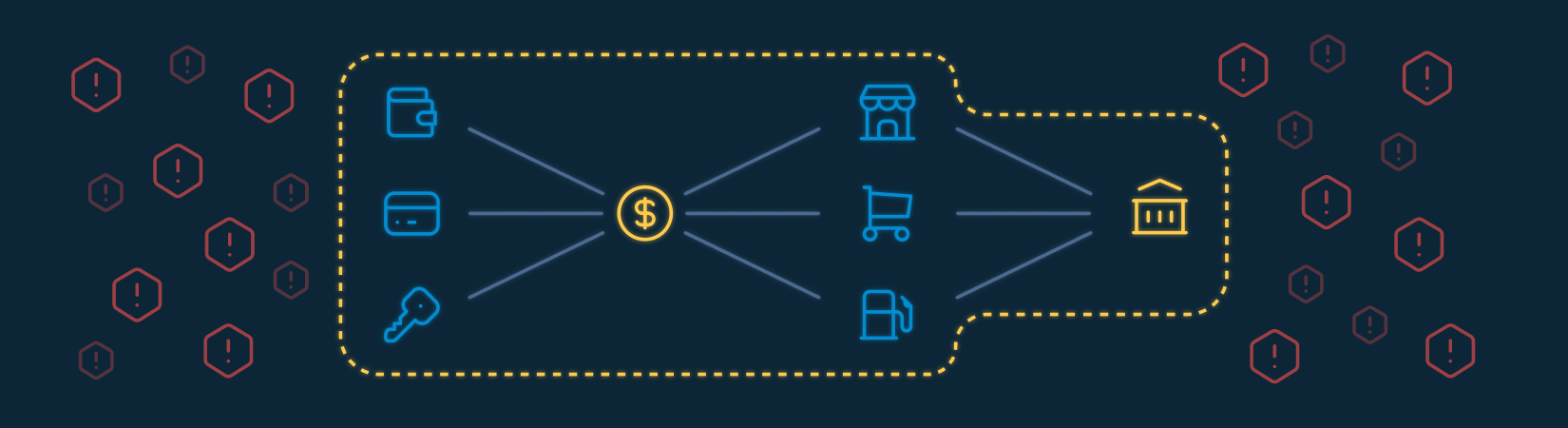
Financial flows like Pix, wallets, credit, split, cash-in/cash-out, and tokenized cards operate on sensitive decisions: limits, antifraud rules, transaction states, and communication across services. Any logical, authorization, or consistency failure can enable manipulation, flow deviation, or operational fraud.
Pentest
Tests how flows react to value manipulation or parameter tampering
Identifies bypass of business rules, limits, and transaction states
Tests sensitive endpoints like Pix, split, credit, wallets, and tokenized cards
Detects inconsistencies between API, frontend, and processing
Finds authorization flaws between users, accounts, and wallets
Threat Modeling
Maps risks before developing or expanding financial flows
Analyzes transaction variations, limits, antifraud rules, and alternate paths
Identifies weaknesses in logic, authorization, and business decisions
Assesses integrations with PSPs, acquirers, and antifraud engines
AppSec Manager
Centralizes vulnerabilities from transactional endpoints
Prioritizes issues impacting balances, reconciliation, and financial operations
Reduces recurrence of failures in Pix, cash-out, onboarding, or credit flows
Maintains history for audits, RCA, and maturity tracking

Reduced logical fraud, manipulation, and inconsistencies
Less exposure in sensitive endpoints (Pix, credit, wallets, split)
Risks identified before new financial features go live

More predictable, auditable flows aligned with business rules

Less rework and greater operational stability
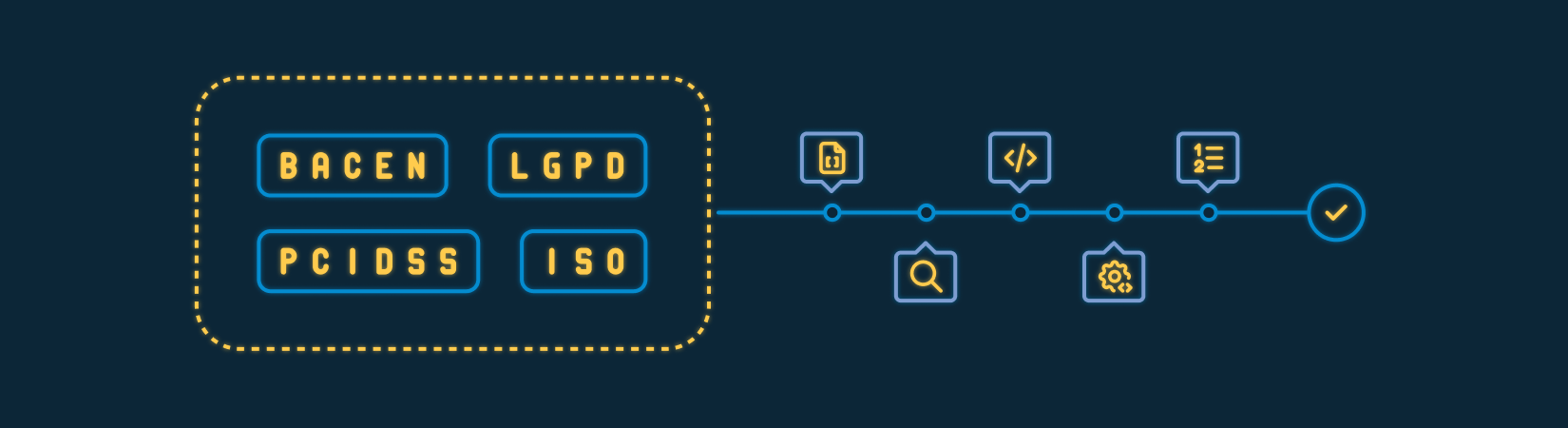

Fintechs operate under one of Brazil’s most rigorous regulatory environments. Beyond technical requirements, there is an operational challenge: audits never stop. Regulations such as BACEN Resolutions 85/89/134/169, LGPD, ISO 27001, and PCI DSS require traceability, updated evidence, consistent controls, and the ability to demonstrate compliance throughout the development lifecycle.
GAP Analysis
Compares policies, processes, and controls to BACEN, LGPD, ISO 27001, and PCI DSS
Identifies gaps affecting technical and regulatory compliance
Prioritizes actions that reduce regulatory risk
AppSec Manager
Organizes history of fixes, timelines, and evidence
Centralizes findings from critical applications and maturity metrics
Supports internal and external audits with complete traceability
Eliminates dependency on spreadsheets and manual data collection
PCI Consulting
Evaluates scope and controls for PCI DSS across cards, wallets, split, and marketplaces
Reviews tokenization, segmentation, encryption, and secure storage
Guides certification preparation and maintenance as operations evolve
.svg)
Faster, more predictable audits
.svg)
Lower risk of non-compliance with BACEN, LGPD, ISO, and PCI

More mature governance connected to development and business practices

Traceability ready for inspections, incidents, and mandatory reporting

Continuously updated and documented technical controls

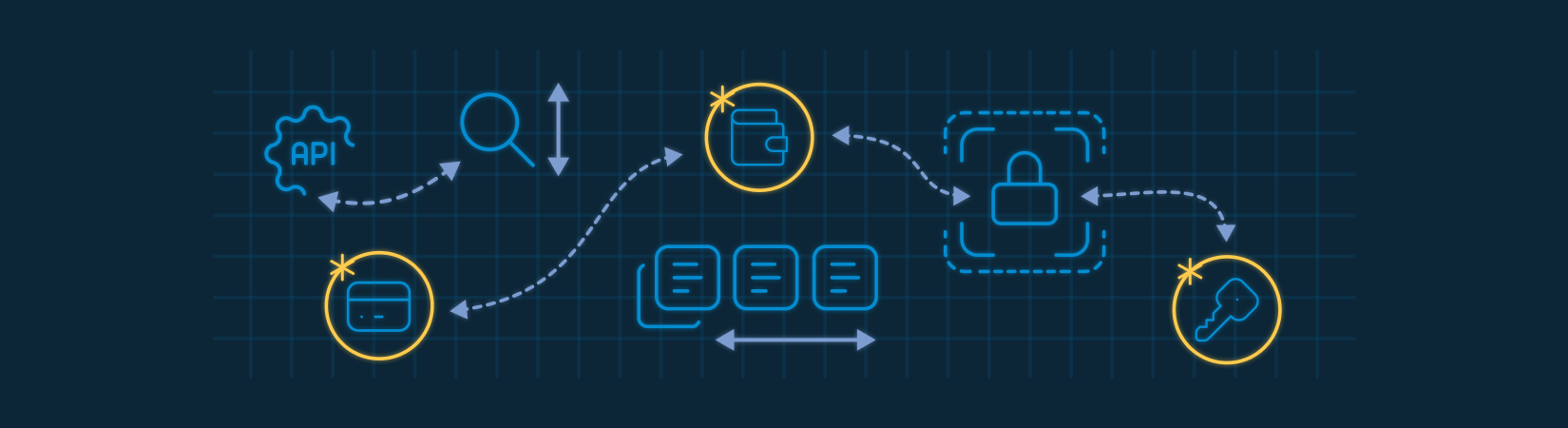
Fintechs launch new products in fast cycles — digital wallets, credit engines, Pix flows, PSP integrations, and financial modules that require quick decisions. The risk doesn’t start in production; it starts in the architecture. Poorly defined permissions, data exposure, sensitive business rules, or PSP integrations can introduce flaws that become difficult and expensive to fix when discovered too late.
Threat Modeling
Analyzes new financial products and transactional flows from the start
Evaluates Pix scheduled, Pix change, cash-in/out, credit, wallets, and split
Examines permissions, authentication, data exposure, and PSP integrations
Generates attack scenarios, security requirements, and controls before development advances
AppSec Manager
Centralizes findings per product or module (Pix, credit, wallet, onboarding)
Tracks fixes, timelines, and vulnerability impact
Helps prioritize critical risks before release
Maintains organized history for audits and continuous improvement
Pentest
Validates whether the design resists logic and manipulation attacks
Tests bypass of limits, business rules, and authorization
Assesses data exposure in internal and external APIs
Tests high-risk endpoints: Pix, accounts, onboarding, credit, wallets, PSPs

Less rework and fewer go-live delays

Critical risks identified before reaching users

Fewer logical and authorization flaws in financial flows

More secure products from day one

Reduced regulatory and operational exposure
.svg)
Fintechs depend on AI models for scoring, fraud detection, behavioral analysis, biometrics, and operational automation. These models influence credit approvals, limits, blocks, chargebacks, and operational risk.AI environments bring unique risks: feature manipulation, adversarial attacks, poisoning, data leakage, and exposure via inference APIs.
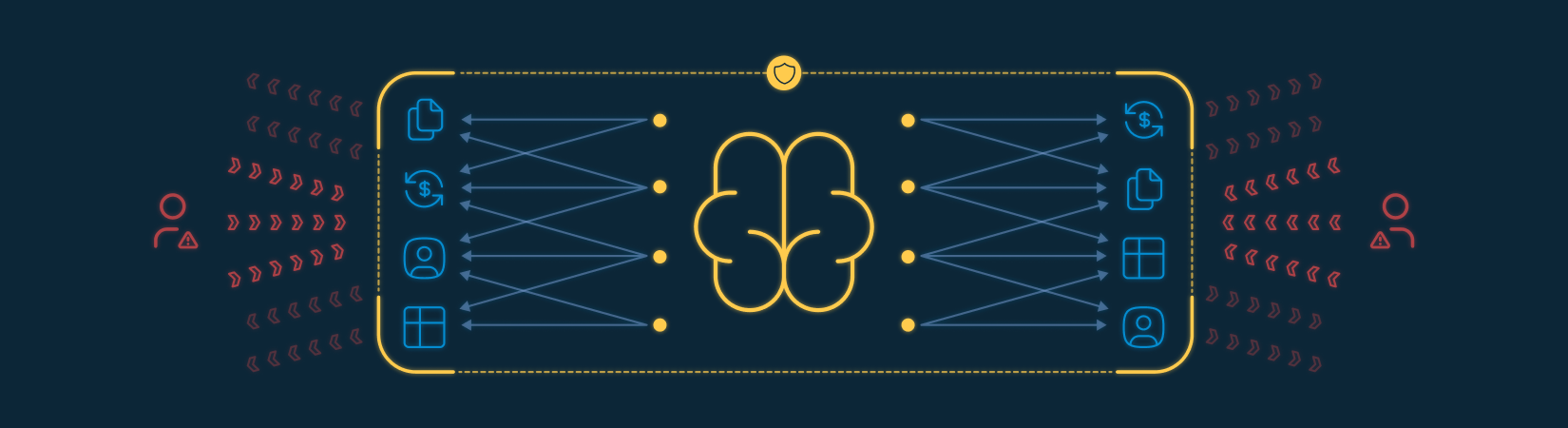
Threat Modeling
Assesses risks across the AI pipeline architecture
Evaluates ingestion of financial and transactional data
Reviews feature engineering, scoring models, and antifraud logic
Identifies risks like poisoning, model theft, adversarial inputs, and data exposure
Produces security requirements before production release
Pentest
Tests input manipulation and output distortion
Evaluates resilience to adversarial attacks
Checks for sensitive data exposure via APIs
Tests authentication and authorization flaws in inference endpoints
Simulates real fraud and manipulation scenarios
AppSec Manager
Centralizes findings from AI tests and audits
Tracks correction history per model, version, and endpoint
Ensures traceability for BACEN and LGPD requirements
Provides ongoing visibility of ML + AppSec maturity
More resilient models against manipulation and attacks

Fewer distortions in scoring and fraud analysis
Security aligned to the ML lifecycle (MLOps + AppSec)
Evidence and traceability for internal and external audits

Reduced regulatory exposure under LGPD and BACEN
Fintechs rely on a complex ecosystem — PSPs, credit bureaus, fraud-prevention engines, acquirers, biometric providers, KYC/KYB services, issuers, gateways, and banking partners. These vendors handle financial, transactional, and identity data, and any weakness can lead to large-scale fraud, service disruption, data leaks, or regulatory exposure under BACEN, LGPD, and PCI DSS. Today, the supply chain is one of the biggest sources of risk for growing fintechs.
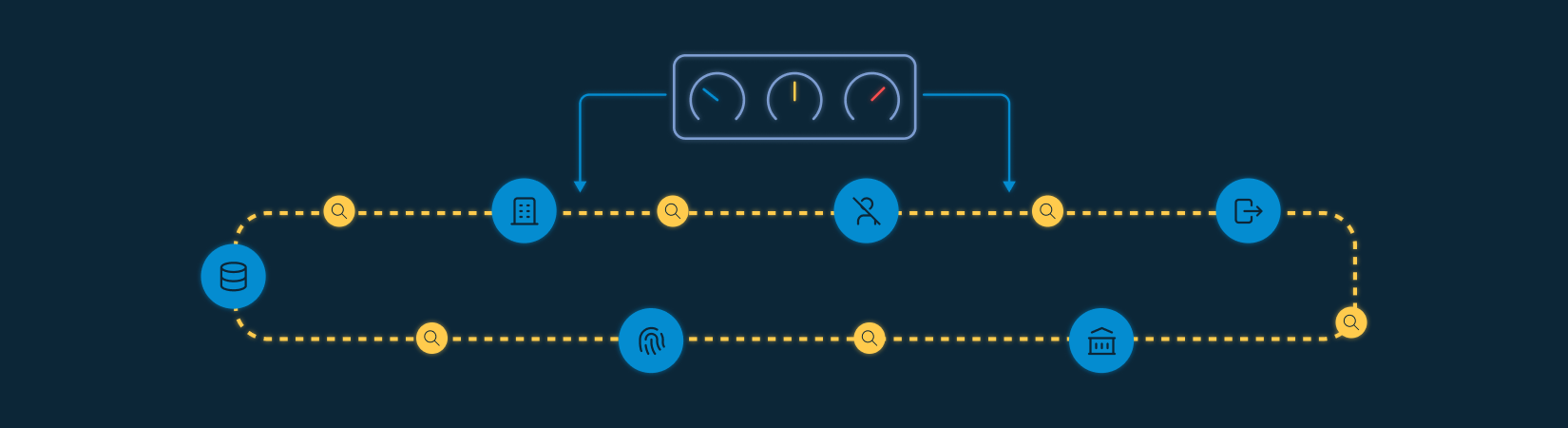
Vendor Assessment
Evaluates critical suppliers under technical and regulatory criteria
Examines bureaus, PSPs, acquirers, and antifraud APIs
Validates authentication, authorization, encryption, and engineering practices
Ensures compliance with LGPD, PCI DSS, and BACEN frameworks
Performs technical testing of exposed applications, APIs, and integrations
Delivers risk classification and recommendations for onboarding and continuity
Supply Chain Security
Analyzes libraries, SDKs, and dependencies used in financial integrations
Reviews PSP, antifraud, gateway, and biometric SDKs
Examines SBOMs for vulnerable versions
Validates containers and images used in critical flows
Identifies compromised components before they affect transactions
GAP Analysis
Compares internal controls with BACEN Resolutions (85, 89, 134, 169)
Evaluates partner-bank requirements and ISO 27001 good practices
Checks compliance with LGPD and PCI DSS
Reveals gaps that may create regulatory or operational risk

Reduced risks from PSPs, bureaus, and antifraud providers

A more predictable and auditable vendor ecosystem

Lower exposure to third-party failures and service interruptions

Evidence ready for banking and regulatory audits

Security integrated into vendor onboarding and management
We support fintechs that need to balance innovation and compliance, working across both technical and regulatory layers. As a PCI DSS Qualified Security Assessor, we combine AppSec expertise with regulatory compliance to provide an end-to-end view—from code to production environments.

PCI DSS certifier with technical and regulatory expertise
.svg)
Specialists in DevSecOps and AppSec
.svg)
Deep experience with fintechs and financial services of all sizes

Dev-first, shift-left approach integrated into the development pipeline
Talk to our specialists and discover how Conviso helps fintechs strengthen their security programs without slowing down innovation.

